

At a glance
Tinea versicolor is a common skin condition caused by an overgrowth of Malassezia yeast, which disrupts skin pigmentation and creates light or dark patches. Factors such as heat, humidity, and weakened immune systems can exacerbate symptoms. Natural options, such as tea tree oil, oregano oil, and apple cider vinegar, may help manage fungal growth and support a balanced skin microbiome.
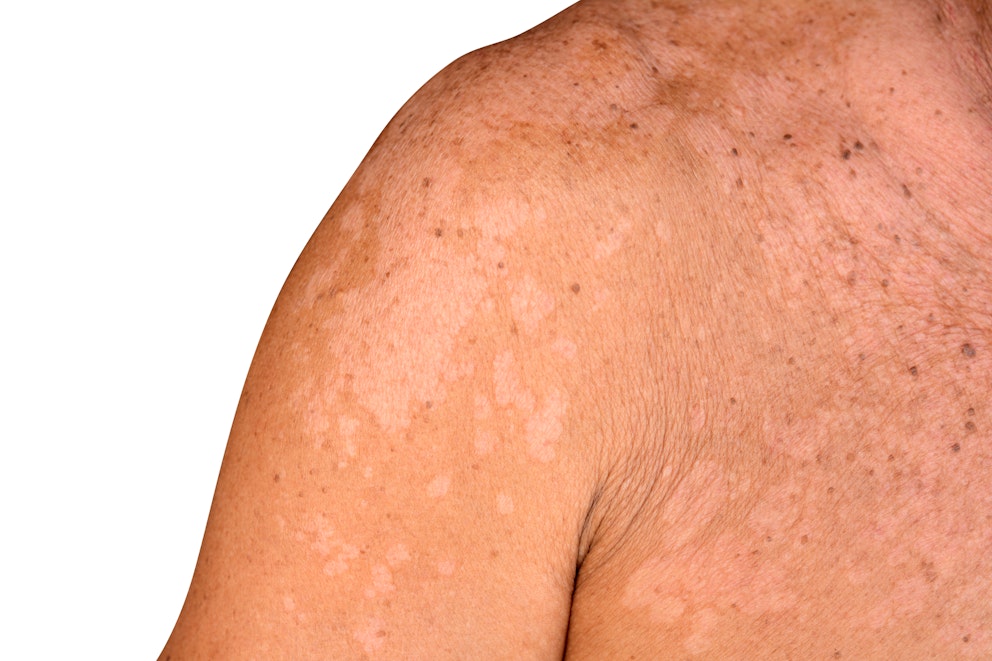
Tinea versicolor is a fungal infection that affects the appearance of the skin, resulting in discolored patches that typically develop on the chest, shoulders, and back.
Learn about the root cause of this skin condition and discover effective tinea versicolor natural remedies to help manage and reduce skin discoloration.
What is tinea versicolor?
Tinea versicolor, also known as pityriasis versicolor, is a skin condition caused by an overgrowth of Malassezia yeast, a type of fungus that’s normally present on the skin’s surface.
Malassezia is typically harmless. However, when allowed to grow and proliferate, this yeast can disrupt the skin’s pigmentation, leading to the development of discolored patches that may appear lighter or darker than the surrounding skin.
Though this common fungal infection can spread if left untreated, tinea versicolor isn’t contagious and can’t be transmitted from person to person.
Factors such as sun exposure, heat, and humidity can exacerbate tinea versicolor, making the discolored patches more noticeable and potentially causing itchiness, dryness, or discomfort in more severe cases.
Watch the video below to learn more about tinea versicolor.
What causes tinea versicolor?
Tinea versicolor is caused by the uncontrolled growth of Malassezia yeast on the skin.
Hormonal fluctuations and a weakened immune system can contribute to the development of this infection. These factors create ideal conditions for yeast overgrowth and diminish the body’s ability to regulate microbial growth effectively.
There are several risk factors for developing tinea versicolor, including:
- Pregnancy
- Humid climates
- Excessive sweating
- Antibiotic treatment
- Corticosteroid usage
- Cushing Disease
- Diabetes
- Malnutrition
Gut dysbiosis, which is an imbalance of the microbiota in the gut microbiome, may also contribute to tinea versicolor by promoting the overgrowth of fungi and harmful bacteria in the gastrointestinal tract.
An imbalanced gut microbiome can compromise the body’s immune defenses, which can exacerbate fungal skin conditions, including tinea versicolor.
Additionally, high temperatures and humidity contribute to moist and warm skin, creating an ideal environment for yeast proliferation.
This may explain why tinea versicolor is most common in those living in subtropical or tropical regions, especially in individuals with weakened immune systems.
Tinea versicolor symptoms
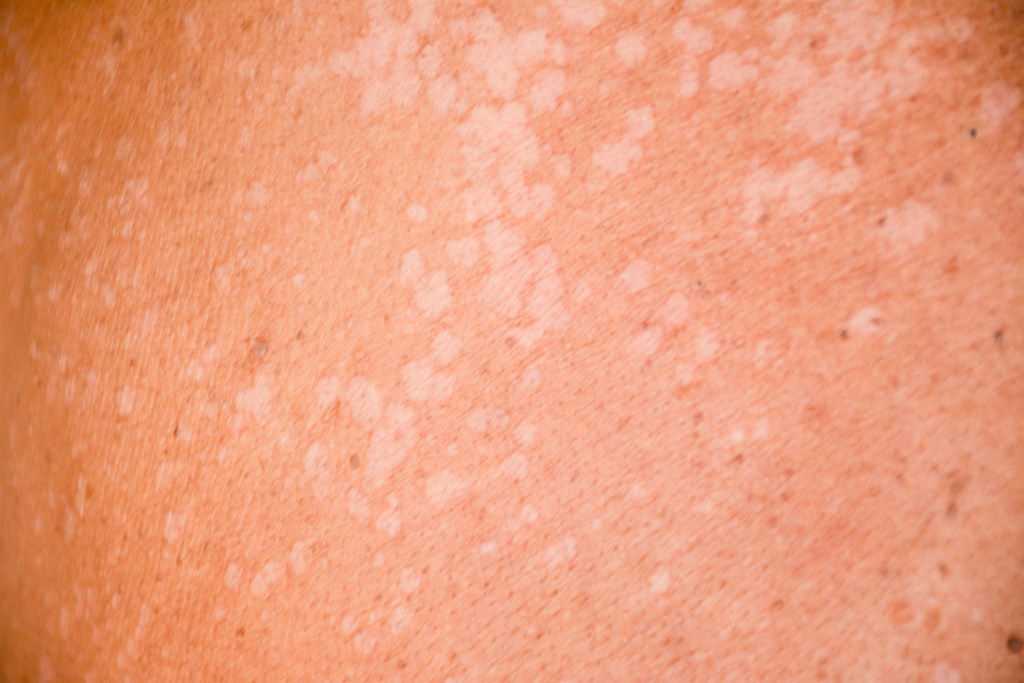
Tinea versicolor is characterized by discolored round patches or spots on the skin. These patches are typically lighter than the surrounding skin, a condition known as hypopigmentation.
However, hyperpigmentation, which is the darkening of the skin, can also occur in some patients with tinea versicolor.
Tinea versicolor patches on lighter skin often present as pink or red hues, while on darker skin, they may appear as tan, white, or brown spots. These patches can occur anywhere on the body but are most commonly found on the arms, back, neck, and chest.
Other symptoms of tinea versicolor include:
- Dry, scaly skin
- Mild itching
- Tan-resistant spots
Tinea versicolor is often confused with vitiligo, another skin condition caused by a lack of melanin.
Unlike tinea versicolor, vitiligo isn’t caused by infection but is linked to an autoimmune disease that results in large, white patches on the skin.
Tinea versicolor natural remedies
Antifungal medications, such as topical antifungal creams or oral medications, are commonly used to treat tinea versicolor.
However, conventional tinea versicolor treatments can be harsh and may contribute to a long-term imbalance of the skin’s microbiome, increasing the risk of future flare-ups of tinea versicolor.
Fortunately, certain home remedies may help manage fungal growth and offer a gentler alternative to certain pharmaceutical treatments, though individual results can vary.
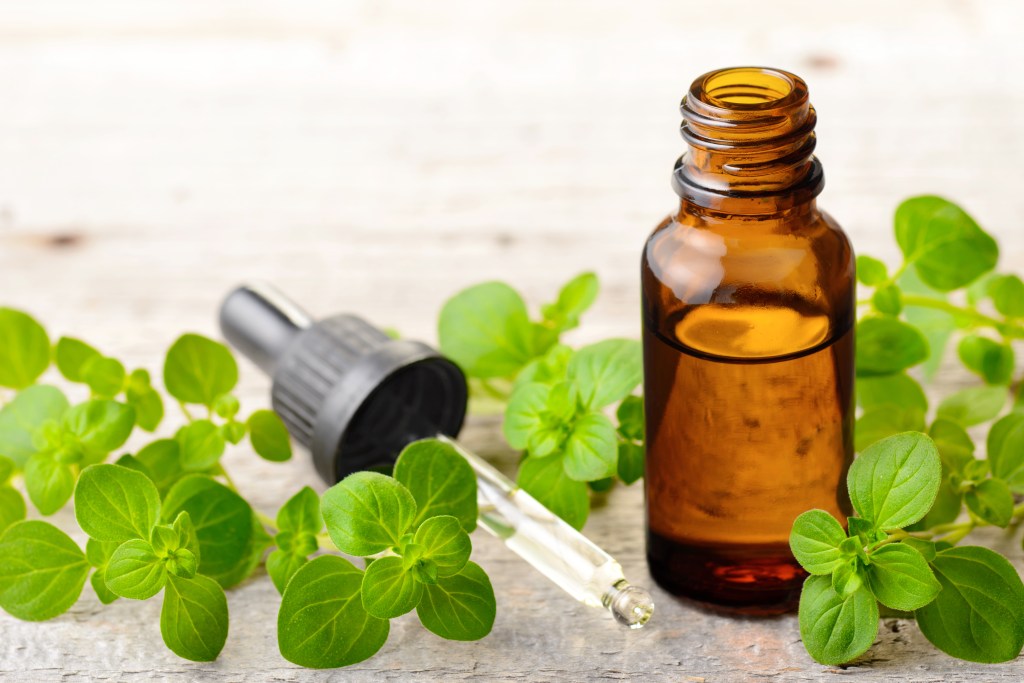
Essential oils such as oregano and tea tree oil contain terpenoid phenols, a plant compound that has been studied for its potential fungicidal properties.
Evidence published in the International Journal of Molecular Sciences found that “Tea tree oil is used medicinally as a topical antiseptic. It has a broad spectrum of antimicrobial activity against a wide range of bacteria, viruses, and fungi, including yeasts.”1
Thyme and grapefruit seed oil have also been shown to help manage fungal growth due to their high concentrations of carvacrol, thymol, and polymeric flavan-3-ols.
These plant-derived compounds can damage microbial cell walls, disrupting their energy production and helping to inhibit the growth of the fungi responsible for tinea versicolor.
Additionally, apple cider vinegar has potent antibacterial and antifungal properties that may help fight fungal infections, including tinea versicolor.
A study published in the Health Sciences Journal found that apple cider vinegar, when used in combination with an antifungal shampoo, was more effective in treating tinea versicolor than using the shampoo alone.2
How to use natural remedies to manage tinea versicolor
Apple cider vinegar and essential oils such as oregano, tea tree, thyme, and grapefruit seed are potential antifungal agents that can be used separately or combined to improve skin health.
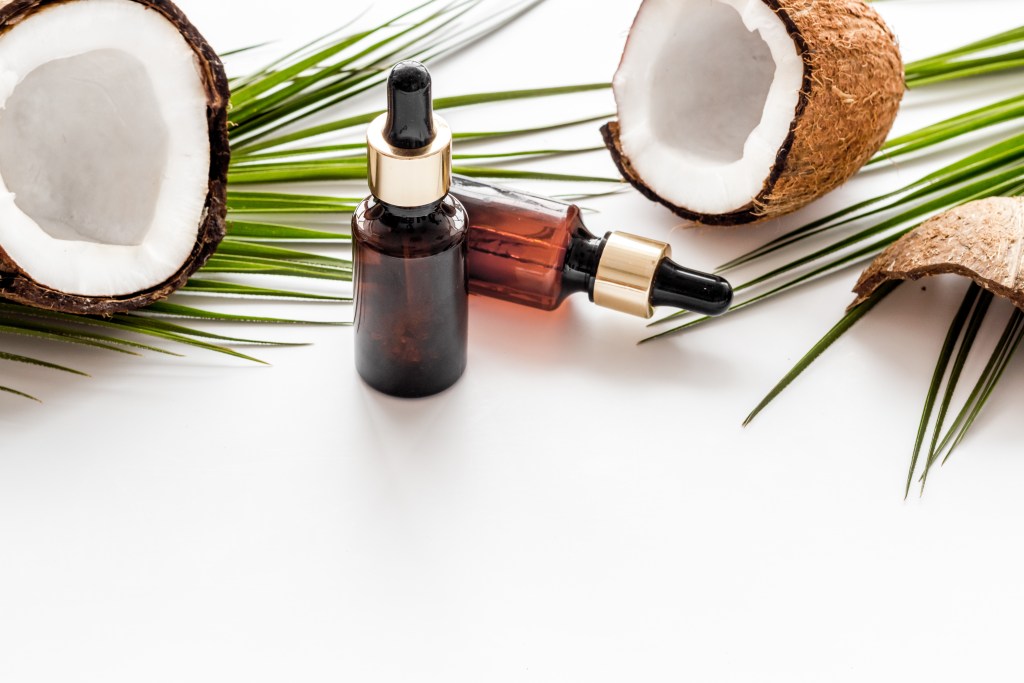
It’s recommended to mix four drops of each remedy into one teaspoon of oil and apply it to the affected area daily.
Coconut oil is one of the best carrier oils for making a natural tinea versicolor remedy due to its antibacterial and antifungal effects, enhancing the effectiveness of essential oils while providing soothing relief to the skin.
While natural remedies can offer effective tinea versicolor relief, it’s important to consult a healthcare provider if symptoms persist or worsen.

How can tinea versicolor be prevented?
Tinea versicolor is a common and persistent condition affecting up to 40 percent of people living in tropical climates. In addition, between 60 and 90 percent of those who are treated for this skin issue experience a recurrence.
A study published in Frontiers in Cellular and Infection Microbiology found that Malassezia fungi aren’t just present on the skin but also in the gut microbiome. This may explain why recurrent tinea versicolor is widespread.3
“There are approximately 400 types of friendly microbes in the gut,” explains Dr. Berg. “When you lose those beneficial strains, fungal species such as Malassezia can take over and start growing on the skin’s surface.”
Gut dysbiosis is often caused by a low-fiber diet high in ultra-processed foods and sugars. Antibiotic medications can also result in gut microflora disruption, which can impact the natural balance of beneficial bacteria and allow harmful microorganisms to proliferate.
By increasing gut bacteria diversity, you can support your microbiome and may help prevent tinea versicolor from recurring.
Consuming probiotic foods containing beneficial bacteria, such as sauerkraut, kimchi, natto, and kefir, is an excellent strategy to promote a balanced gut microbiome.
Additionally, it’s essential to consume plenty of dietary fiber and prebiotic foods, such as leafy greens, garlic, onions, avocados, and asparagus. These foods help nourish and support beneficial gut microbes.
Other ways to reduce your risk of tinea versicolor include:
- Wearing breathable, loose-fitting clothing
- Avoiding oily skin products
- Showering after sweating
- Keeping dry and cool in hot, humid weather
Key takeaways
- Tinea versicolor is a noncontagious skin condition caused by the overgrowth of Malassezia yeast, resulting in light or dark discolored patches on the skin.
- Symptoms often include mild itching, dryness, scaly skin, and tan-resistant spots that typically appear on the chest, back, or neck.
- Preventing tinea versicolor involves maintaining a healthy gut microbiome with a diet rich in probiotics and fiber, wearing breathable clothing, avoiding oily skin products, and keeping the skin dry in hot or humid environments.
FAQ
1. What are the best tinea versicolor natural remedies?
Oregano, tea tree, thyme, and grapefruit seed oil have been shown to possess potential antifungal properties that can benefit those with tinea versicolor.
Dilute a few drops of one or more of these essential oils in coconut oil and apply topically to the affected areas until symptoms improve.
2. Does apple cider vinegar help with tinea versicolor?
Yes, apple cider vinegar has antifungal effects that can help manage tinea versicolor symptoms.
However, apple cider vinegar is acidic and can irritate or burn the skin if applied undiluted. It’s important to dilute it with water or mix it with a carrier oil, such as coconut or olive oil, before applying it topically.
3. What aggravates tinea versicolor?
Hot weather and humidity can aggravate tinea versicolor, making the infection more noticeable, itchy, and scaly.
Additionally, antibiotics use, a high-sugar diet, and imbalanced gut microbes can worsen tinea versicolor and increase the risk of future flare-ups.
4. How long does it take for tinea versicolor to go away?
Tinea versicolor can be resolved within one to two weeks of conventional treatment. While natural remedies may take longer, they’re less likely to disrupt the skin’s microbiome, which helps prevent future infections and tinea versicolor recurrences.
5. Is tinea versicolor contagious?
No, tinea versicolor isn’t contagious. Though it can’t spread from person to person, it can expand and cover larger sections of the skin if left untreated or when exposed to wet, hot conditions.
6. What does tinea versicolor look like?
Tinea versicolor is characterized by circular, scaly patches on the skin, typically on the chest, shoulders, and back. However, it can appear on any part of the body, including the neck, face, and arms.
On darker skin, the patches may appear white, while those with lighter skin often develop pink or reddish patches.
7. How is tinea versicolor treated?
Conventional tinea versicolor treatment involves topical and oral antifungals, including ketoconazole, ciclopirox, itraconazole, and fluconazole.
However, several natural remedies, such as apple cider vinegar, oregano oil, and thyme oil, may also help soothe discomfort and manage symptoms.
8. How is tinea versicolor diagnosed?
Your doctor can diagnose tinea versicolor with a physical exam and review of your medical history. In some cases, a healthcare provider may scrape the patches and review cellular cultures under a microscope to confirm a tinea versicolor diagnosis.
Sources
- https://www.ncbi.nlm.nih.gov/pmc/articles/PMC8582737/ ?
- https://projects.pchrd.dost.gov.ph/index.php?view=research&cid=83534 ?
- https://www.ncbi.nlm.nih.gov/pmc/articles/PMC7265801/ ?
Related Articles
-
Calcitonin: What It Is and How It Regulates Calcium Levels
 Health concerns
Calcitonin: What It Is and How It Regulates Calcium Levels
At a glance Calcitonin is a thyroid-produced hormone that helps maintain healthy calcium levels by lowering excess calcium in the blood. It plays an important role in bone strength by…12/12/2025 -
Psoriasis Relief: Everyday Habits for Healthier Skin
 Health concerns
Psoriasis Relief: Everyday Habits for Healthier Skin
At a glance Psoriasis is an inflammatory skin condition marked by red, itchy, and scaly patches caused by rapid skin cell buildup. Symptoms can range from mild irritation to widespread…12/11/2025 5.3k views -
Wormwood Benefits, Uses, and Side Effects
 Natural remedies
Wormwood Benefits, Uses, and Side Effects
At a glance Wormwood is a bitter medicinal herb traditionally used to support digestion, gallbladder function, and skin healing through its bioactive plant compounds. It also plays a role in…12/11/2025 6.3k views -
Is Pantene Good for Your Hair? Find the Best Shampoo
 Health concerns
Is Pantene Good for Your Hair? Find the Best Shampoo
At a glance Pantene is one of the most recognized hair care brands, but its shampoos and conditioners often contain synthetic ingredients that can strip natural oils and weaken hair…12/11/2025 18.1k views -
What Are the Best Foods to Eat While Taking Warfarin?
 Health concerns
What Are the Best Foods to Eat While Taking Warfarin?
At a glance Warfarin works by affecting the way the body utilizes vitamin K, which helps prevent blood clots. While some foods should be limited, individuals taking warfarin are encouraged…12/08/2025 45k views -
Can You Get Vitamin D on a Cloudy Day?
 Nutrition
Can You Get Vitamin D on a Cloudy Day?
At a glance While you can produce some vitamin D on a cloudy day, cloud cover reduces UVB exposure, limiting vitamin D production. While sunlight remains the most effective source,…12/05/2025 5.7k views -
Can Kids Fast?
 Diet
DietCan Kids Fast?
At a glance Fasting isn’t recommended for children, as it can interfere with healthy growth and development. However, supporting metabolic balance by eating nutritious meals, avoiding processed foods, and limiting…12/05/2025 37.1k views -
5 Natural Ways to Remove Dental Plaque
 Health concerns
5 Natural Ways to Remove Dental Plaque
Dental plaque is a sticky film of bacteria that naturally forms on your teeth after eating or drinking. While it’s a normal occurrence, allowing dental plaque to accumulate can stain…11/28/2025 15.7k views -
Niacin Deficiency: Symptoms, Causes, and What to Do
 Deficiencies
Niacin Deficiency: Symptoms, Causes, and What to Do
Niacin is a form of vitamin B3 that’s critical for energy production and cellular functions. Niacin deficiency can lead to various health concerns, ranging from mild metabolic imbalances to severe…11/28/2025 5.1k views -
Can Tryptophan Improve Your Sleep? What to Know
 Healthy lifestyle
Can Tryptophan Improve Your Sleep? What to Know
At a glance Tryptophan is the precursor to melatonin, the body’s primary sleep-regulating hormone. Supporting balanced tryptophan levels can help improve sleep quality and promote relaxation, without the potential health…11/28/2025 10.5k views


