At a glance
Copper toxicity IUD concerns have increased as more women opt for non-hormonal birth control. While copper is essential, excess exposure from cookware, drinking water, supplements, or copper IUDs may contribute to overload, particularly when zinc becomes depleted. Elevated copper levels can influence mood, energy, digestion, and mineral balance, and supporting zinc status, hormone balance, and gut health may help maintain a healthier copper balance.
While copper intrauterine devices (IUDs) are a popular choice for hormone-free birth control, they may pose certain health risks, including copper toxicity.
Copper toxicity IUD concerns have become increasingly relevant as more women opt for non-hormonal birth control options.
Uncover common signs of copper toxicity and explore effective strategies to maintain a healthy copper balance.
What is copper toxicity?
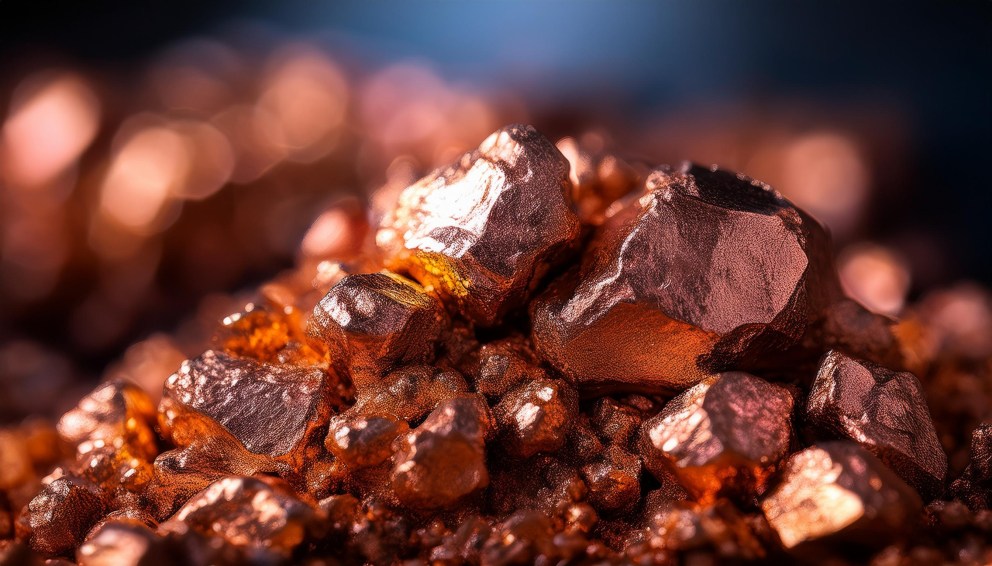
Copper is an essential trace element that supports numerous vital physiological functions, including red blood cell production, immune system health, and central nervous system integrity.
However, excessive copper accumulation can disrupt normal cellular functions, potentially leading to copper toxicity, also known as copperiedus.
Copper toxicity is often linked to long-term copper exposure from sources such as cookware, drinking water, dietary supplements, and contraceptive methods such as IUDs.
Acute copper exposure is rare but can result from accidental ingestion of copper salts, certain medications, or environmental contamination in industrial settings.
Overuse of copper salt compresses, a traditional remedy for infections and inflammation, can also lead to excessive copper absorption and potential toxicity.
Under normal circumstances, blood copper levels range from approximately 60 to 140 micrograms per deciliter (mcg/dL). Levels above 140 mcg/dL indicate severe copper toxicity, while levels below 60 mcg/dL may suggest a copper deficiency.
Copper toxicity can have widespread effects, potentially impacting the brain, liver, and other vital organs.
Watch the video below to learn why birth control can contribute to copper overload.
Symptoms of copper toxicity
Symptoms of copper toxicity can be wide-ranging and may vary in intensity, which explains why early warning signs often go unnoticed or are attributed to other health conditions.
Among the most common signs are brain fog and mood changes, including depression, irritability, and difficulty focusing.
Copper toxicity can also cause insomnia, leading to chronic fatigue. Additionally, some individuals may experience increased skin sensitivity or notice white spots appearing on their nails.
As copper levels continue to rise, more severe issues can develop. These include:
- Learning difficulties
- Nausea
- Diarrhea
- Hyperactivity
- Changes in sensory processing
- Persistent headaches and migraines
- Metallic taste in the mouth
- Black tarry stools
- Gastrointestinal distress
- Low blood pressure
- Iron deficiency
- Zinc deficiency
In severe cases, untreated copper toxicity may cause a widespread inflammatory reaction, damaging vital organs such as the liver, kidneys, brain, eyes, and heart.
If you suspect copper exposure or have developed symptoms of copper toxicity, it’s crucial to seek guidance from a medical professional.
A doctor can help confirm a diagnosis and guide treatment by testing copper levels in the blood, urine, and hair, as well as assessing related markers like ceruloplasmin, a protein that helps transport copper in the bloodstream.
Low levels of ceruloplasmin may signify copper accumulation in the tissues rather than the bloodstream, suggesting toxicity. On the other hand, elevated ceruloplasmin levels could point to other underlying issues related to copper metabolism.
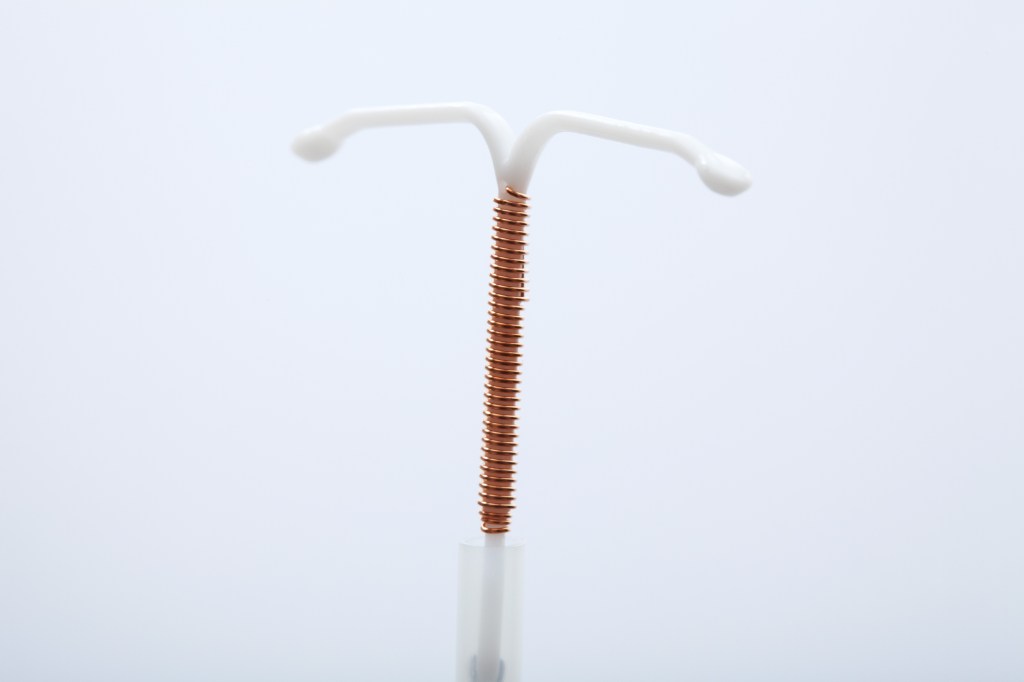
Can an IUD cause copper toxicity?
One significant contributor to copper toxicity can be the use of intrauterine devices (IUDs), such as the Paragard® IUD, which uses copper wire coiled around the device to help prevent pregnancy.
The Paragard device, while hormone-free, introduces copper directly into the uterine environment, potentially leading to an increase in copper levels over time. This can manifest in various symptoms that may not immediately be linked to the device.
“Copper from an IUD can raise copper levels and deplete zinc,” explains Dr. Berg. “This imbalance disrupts hormonal balance, as elevated copper increases estrogen, which increases copper retention, creating a vicious cycle of worsening symptoms and further hormonal disruption.”
This is why it’s vital, especially for copper IUD users, to fully understand the potential symptoms of copper toxicity and consult a medical professional for personalized advice.
Regular testing of copper levels through blood, urine, or hair analysis can help detect any imbalances early and guide tailored treatment to ensure optimal health.
Other potential causes of copper toxicity
An IUD is just one potential contributor to copper imbalance, as copper toxicity can also arise from various environmental and dietary sources.
According to evidence published in Statpearls, “Many instances of copper toxicity are often the result of accidental consumption of contaminated water sources, copper salt-containing topical creams for burn treatments, [or] acidic foods cooked in uncoated copper cookware.”
Although rare, consuming large quantities of copper-rich foods such as shellfish, dark chocolate, nuts, and seeds can also compound copper levels, especially in individuals at increased risk of toxicity or those with specific preexisting health conditions.
Additionally, optimal digestive tract function plays a crucial role in regulating mineral balance, including copper.
Inadequate bile flow can impair the body’s ability to eliminate excess copper. When bile flow is reduced, copper may accumulate in the liver and other tissues, potentially leading to toxicity.
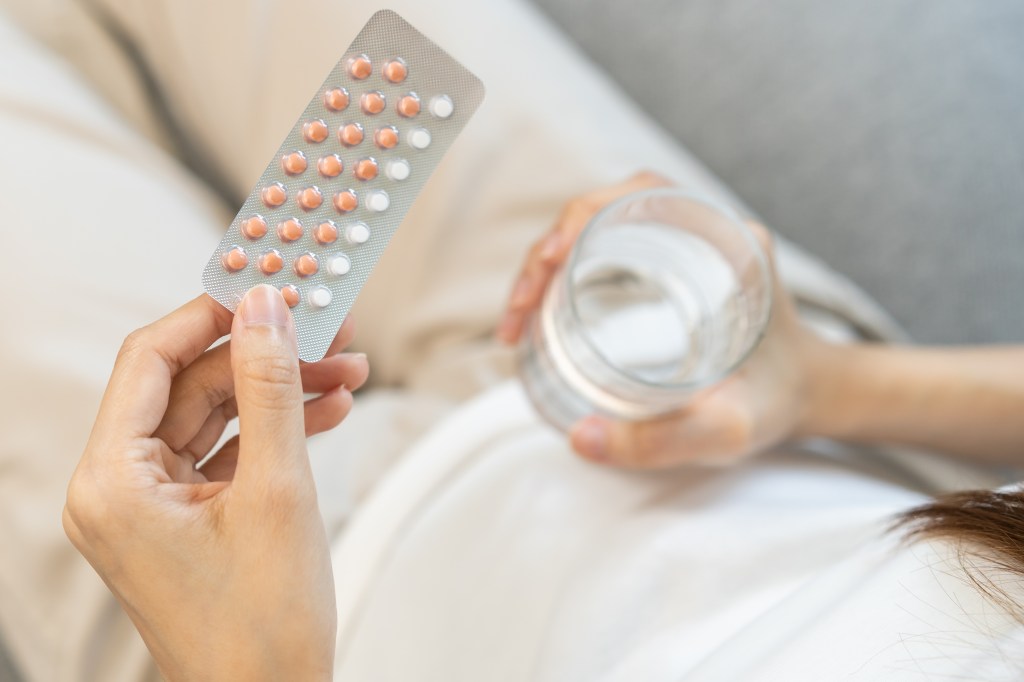
Hormonal birth control methods can also influence copper levels by elevating estrogen, which stimulates copper retention and can increase the risk of copper overload.
Furthermore, impaired liver function or genetic disorders, such as Wilson’s disease, can hinder the body’s ability to excrete copper properly, leading to its accumulation over time.

Tips for combating copper overload naturally
If you suspect or have been diagnosed with copper overload, it’s important to seek medical supervision. Under professional guidance, you can take natural, practical steps to help restore healthy copper levels.
Here are three tips for combating copper overload naturally.
1. Support optimal zinc levels
One of the most effective strategies to counteract copper overload involves increasing zinc intake, as this essential mineral competes with copper for intestinal absorption.
Some of the best dietary sources of zinc include red meat, seafood, dairy, and eggs. You may also consider a high-quality zinc supplement, such as zinc carnosine or zinc picolinate, depending on your individual needs.
2. Promote hormonal balance
Balancing estrogen is another effective approach, as excess estrogen levels stimulate copper retention.
Plant-derived compounds, such as diindolylmethane (DIM) found in cruciferous vegetables, have been found to support estrogen metabolism, thereby promoting hormonal and copper balance.
Adjusting or changing birth control methods can also help balance estrogen levels and limit copper exposure. However, it’s critical to discuss any changes with a healthcare professional to ensure the best course of action for your individual needs.
3. Maintain a diverse gut microbiome
Supporting a diverse gut microbiome may further enhance copper balance.
Research published in Current Opinion in Endocrine and Metabolic Research highlights the role of the intestinal microbiota in regulating micronutrient absorption and bioavailability, including trace minerals.
Consuming plenty of probiotic foods, such as kefir, sauerkraut, and kimchi, can promote the growth of beneficial bacteria, supporting optimal nutrient absorption and hormonal balance. This may help reduce excess copper levels and alleviate symptoms of toxicity.
Key takeaways
- Copper toxicity IUD concerns highlight the importance of understanding how reproductive health management strategies can influence copper levels.
- Copper overload may result from multiple sources, including cookware, drinking water, supplements, and specific hormonal shifts that increase copper retention.
- Elevated copper levels can impact mood, energy, digestion, mineral balance, and cognitive function.
- Copper toxicity can result in serious health issues such as liver, kidney, and heart damage, or cognitive issues.
- Limiting copper exposure, balancing estrogen levels, maintaining a diverse microbiome, and ensuring adequate zinc intake may help the body regulate copper levels more effectively.
FAQ
1. Is copper toxicity an IUD risk?
While copper intrauterine devices (IUDs) are an effective form of contraception, they can potentially lead to increased copper levels in the body. In some instances, this may contribute to hormonal imbalances and the depletion of other essential minerals, such as zinc.
Additionally, elevated copper levels may exacerbate symptoms associated with copper toxicity. Consult a healthcare provider for personalized advice regarding the risks and benefits of using a copper IUD.
2. What are the negatives of a copper IUD?
While copper IUDs are effective at preventing pregnancy and are hormone-free, they may cause heavier periods, cramping, and copper sensitivity.
Excess copper released by IUD devices can lower zinc levels and increase estrogen, potentially contributing to irritability, fatigue, or skin sensitivity. IUDs have also been linked to an increased risk of pelvic inflammatory disease (PID) and ectopic pregnancy.
3. What are the side effects of copper IUD removal?
Copper IUD removal typically doesn’t cause severe side effects. Potential symptoms can resemble those linked to IUD insertion, including dizziness, faintness, nausea, reduced blood pressure, or reduced heart rate.
Some women may notice cramping, spotting, or changes in their menstrual cycle immediately following removal. However, symptoms tend to subside quickly, and many report feeling more balanced, especially individuals with sensitivities to copper.
4. How do I know if I have copper toxicity?
Signs of copper toxicity include depression, difficulty focusing, insomnia, or a metallic taste in your mouth. Physical symptoms may include low blood pressure, white spots on nails, or black, tarry stools.
If you suspect copper toxicity, consult a medical professional for proper testing. This may involve assessing copper levels through blood or hair analysis, a ceruloplasmin test, or liver function analysis.
Sources
- https://www.ncbi.nlm.nih.gov/books/NBK557456/
- https://www.sciencedirect.com/science/article/pii/S245196502100082X
Related Articles
-
Calcitonin: What It Is and How It Regulates Calcium Levels
 Health concerns
Calcitonin: What It Is and How It Regulates Calcium Levels
At a glance Calcitonin is a thyroid-produced hormone that helps maintain healthy calcium levels by lowering excess calcium in the blood. It plays an important role in bone strength by…12/12/2025 -
Psoriasis Relief: Everyday Habits for Healthier Skin
 Health concerns
Psoriasis Relief: Everyday Habits for Healthier Skin
At a glance Psoriasis is an inflammatory skin condition marked by red, itchy, and scaly patches caused by rapid skin cell buildup. Symptoms can range from mild irritation to widespread…12/11/2025 5.3k views -
Wormwood Benefits, Uses, and Side Effects
 Natural remedies
Wormwood Benefits, Uses, and Side Effects
At a glance Wormwood is a bitter medicinal herb traditionally used to support digestion, gallbladder function, and skin healing through its bioactive plant compounds. It also plays a role in…12/11/2025 6.3k views -
Is Pantene Good for Your Hair? Find the Best Shampoo
 Health concerns
Is Pantene Good for Your Hair? Find the Best Shampoo
At a glance Pantene is one of the most recognized hair care brands, but its shampoos and conditioners often contain synthetic ingredients that can strip natural oils and weaken hair…12/11/2025 18.1k views -
What Are the Best Foods to Eat While Taking Warfarin?
 Health concerns
What Are the Best Foods to Eat While Taking Warfarin?
At a glance Warfarin works by affecting the way the body utilizes vitamin K, which helps prevent blood clots. While some foods should be limited, individuals taking warfarin are encouraged…12/08/2025 45k views -
Can You Get Vitamin D on a Cloudy Day?
 Nutrition
Can You Get Vitamin D on a Cloudy Day?
At a glance While you can produce some vitamin D on a cloudy day, cloud cover reduces UVB exposure, limiting vitamin D production. While sunlight remains the most effective source,…12/05/2025 5.7k views -
Can Kids Fast?
 Diet
DietCan Kids Fast?
At a glance Fasting isn’t recommended for children, as it can interfere with healthy growth and development. However, supporting metabolic balance by eating nutritious meals, avoiding processed foods, and limiting…12/05/2025 37.1k views -
5 Natural Ways to Remove Dental Plaque
 Health concerns
5 Natural Ways to Remove Dental Plaque
Dental plaque is a sticky film of bacteria that naturally forms on your teeth after eating or drinking. While it’s a normal occurrence, allowing dental plaque to accumulate can stain…11/28/2025 15.7k views -
Niacin Deficiency: Symptoms, Causes, and What to Do
 Deficiencies
Niacin Deficiency: Symptoms, Causes, and What to Do
Niacin is a form of vitamin B3 that’s critical for energy production and cellular functions. Niacin deficiency can lead to various health concerns, ranging from mild metabolic imbalances to severe…11/28/2025 5.1k views -
Can Tryptophan Improve Your Sleep? What to Know
 Healthy lifestyle
Can Tryptophan Improve Your Sleep? What to Know
At a glance Tryptophan is the precursor to melatonin, the body’s primary sleep-regulating hormone. Supporting balanced tryptophan levels can help improve sleep quality and promote relaxation, without the potential health…11/28/2025 10.5k views